
Prescott has four real seasons at 5,300 feet elevation: summer highs average 89°F (about 30 degrees cooler than Phoenix), winter highs run 40 to 50°F with light snow a few times a season, and the town records roughly 277 sunny days per year per the Western Regional Climate Center. Annual snowfall averages around 20 inches, enough to see snow on the ground a few times each winter but not a heavy mountain-town load. The monsoon runs July to August with afternoon thunderstorms. Here's what each season actually feels like on the ground.
I've lived through every season here, and I've helped hundreds of families time their relocations around the weather. Here's what each season actually feels like on the ground, not from a tourism brochure, but from someone who's outside showing homes year-round.
why people relocate to Prescott →
What Does "Four Seasons Without Extremes" Actually Mean?
Prescott averages 277 sunny days per year, according to the Western Regional Climate Center, placing it among the sunniest small cities in the country. The 5,300-foot elevation (USGS) moderates temperatures in a way that separates Prescott from both the desert floor and the high mountain towns.
Here's the context that matters. Phoenix sits at 1,100 feet and records over 300 sunny days, but summer temperatures regularly exceed 110 degrees Fahrenheit. Flagstaff sits at 7,000 feet with cool summers, but it averages over 100 inches of snow per year according to NOAA. Prescott threads the needle between those two extremes.
The result is a climate where summer highs rarely touch 90 degrees, winter snow melts within a day or two, and you can be outdoors comfortably for 10 to 11 months of the year. For relocators from California, Colorado, Oregon, or Washington, it's often the single biggest draw. And it's not marketing hype. The weather data backs it up.
When I show homes in July, my clients from Phoenix are visibly relieved. They step out of the car expecting Arizona heat and instead feel 85-degree air with low humidity. The look on their faces tells the whole story.
What Is Spring Like in Prescott? (March to May)
Spring temperatures in Prescott range from highs of 55 to 75 degrees Fahrenheit, with overnight lows between 30 and 45 degrees. According to the Western Regional Climate Center's historical data for Prescott, March averages about 1.5 inches of rain, tapering to under half an inch by May.
March still feels like late winter some mornings. You'll want a jacket for early hours, but by noon you're comfortable in a long-sleeve shirt. April is when things shift noticeably. Wildflowers begin appearing across the Prescott National Forest, and the trails around Thumb Butte and Watson Lake start filling with hikers.
May is genuinely warm. Highs regularly reach the low to mid-70s, and the landscape is green from spring rains. It's one of the best months in Prescott, full stop.
Why does this matter for homebuyers? Spring is an ideal time to house hunt. You'll see communities before the summer buyer wave arrives, and you can walk lots and homesites in comfortable weather. The light in spring also shows you how a home's orientation handles sun exposure, something that matters for energy efficiency and daily comfort.
How Hot Does Prescott Get in Summer? (June to September)
Summer highs in Prescott average 85 to 89 degrees Fahrenheit, according to weather station data compiled by the Western Regional Climate Center. Compare that to Phoenix, where the National Weather Service records average July highs of 106 degrees. That's a 20-degree difference that changes everything about daily life.
Daytime Heat
Prescott's summer days are warm but manageable. You'll hit the low 90s occasionally, usually for a handful of days in late June or early July. But humidity stays low, so 90 degrees here feels different than 90 degrees in Houston or Atlanta. There's no oppressive mugginess. By contrast, Phoenix logs roughly 110 days per year above 100 degrees according to the National Weather Service.
Monsoon Season
The Arizona monsoon typically runs from mid-June through September. In Prescott, this means brief, intense afternoon thunderstorms, usually lasting 30 to 60 minutes, followed by dramatic cloud formations and stunning sunsets. Annual monsoon rainfall in the Prescott area averages 3 to 5 inches during this period, according to the National Weather Service.
These storms cool temperatures by 10 to 15 degrees in the evening. By 7 p.m. on a monsoon day, you might need a light jacket for outdoor dining. Seriously.
Summer Lifestyle
Evenings cool to 55 to 60 degrees, which makes summer nights in Prescott genuinely pleasant. Outdoor dining on Whiskey Row, farmers markets at the courthouse square, concerts in the park, and evening hikes along the Peavine Trail are all comfortable activities. You don't retreat indoors from June through September like you do in Phoenix.
Line chart - Average monthly high temperatures: Prescott vs Phoenix vs Flagstaff - Western Regional Climate Center data
Is Fall the Best Season in Prescott? (October to November)
Fall temperatures in Prescott range from highs of 65 to 75 degrees and lows of 35 to 45 degrees, according to the Western Regional Climate Center. Many longtime residents consider it the best time of year, and I agree with them.
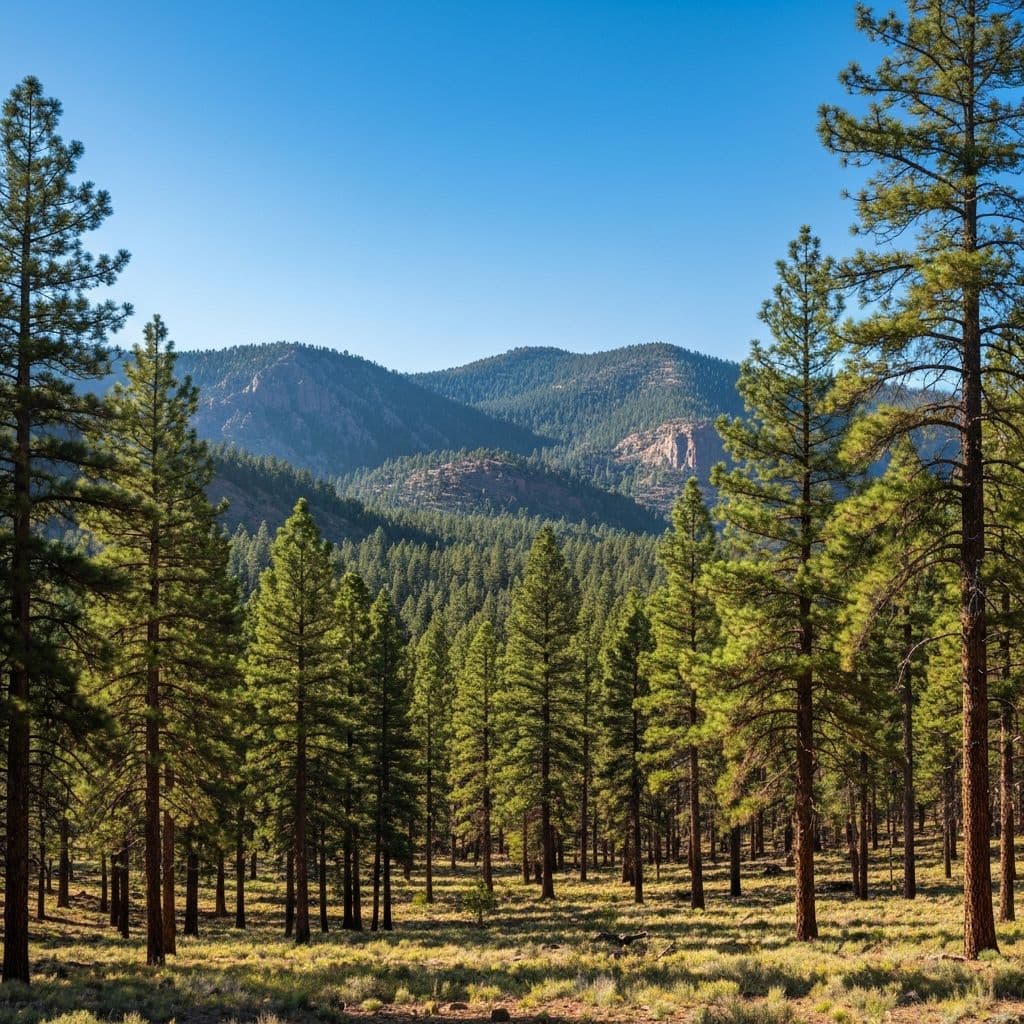
October in Prescott is almost unfairly beautiful. The ponderosa pines stay green, but the cottonwoods and aspens along Granite Creek and around Watson Lake turn gold and amber. The light takes on that warm, angled quality that photographers chase. Humidity is low, skies are clear, and temperatures are perfect for anything outdoors.
This is peak hiking, mountain biking, and trail running season. The Prescott National Forest's 450 miles of trails are at their best. Weekend mornings in the 40s give way to mid-60s afternoons with zero wind. It's as good as weather gets.
November cools noticeably, especially in the mornings. Frost becomes common, and you'll want layers. But daytime highs still reach the upper 50s to low 60s most days. Thanksgiving in Prescott often means eating outside on the patio with a sweater on.
How Much Snow Does Prescott Get in Winter? (December to February)
Winter highs in Prescott average 45 to 55 degrees with lows of 20 to 30 degrees, per the Western Regional Climate Center. Annual snowfall averages 12 to 15 inches total across the entire season, according to NOAA historical data. For comparison, Flagstaff averages over 100 inches per year (NWS Flagstaff), and Denver averages approximately 57 inches (National Weather Service).
Light Snow, Quick Melt
Prescott's snow events are usually 1 to 4 inches at a time, and the key detail is this: snow typically melts within one to two days. The 277 sunny days and south-facing exposure mean the sun returns quickly and clears roads and sidewalks naturally. There's no plowing infrastructure in Prescott because it's rarely needed. No salt trucks. No chains required.
No Winter Infrastructure Headaches
This matters for homeowners. No ice dams forming on your roof. No frozen pipes (modern construction with proper insulation handles Prescott's lows easily). No need for snow tires or four-wheel drive, though some residents prefer all-wheel drive for peace of mind on the rare heavy snow day.
Compare this to Flagstaff, where winter driving is a real consideration, snow removal is a recurring expense, and homes need to be built to handle serious snow loads. Prescott's winters are mild enough that a standard two-car garage and a warm jacket get you through comfortably.
Winter Lifestyle
Winter days in Prescott are cold in the morning and pleasant by midday. A typical January day starts at 25 degrees, warms to 50 by early afternoon, and drops back into the 30s after sunset. You can hike Thumb Butte at noon in a fleece and feel comfortable. The sun is strong at 5,300 feet, even in December.
compare Prescott to Flagstaff →
How Does Prescott Weather Affect Your Home Purchase?
Prescott's climate isn't just a lifestyle feature. It directly influences what kind of home makes sense and how much you'll spend to live in it. According to the U.S. Energy Information Administration, Arizona households spend an average of $1,800 per year on electricity, but that figure is heavily skewed by Phoenix-area cooling costs.
Energy Efficiency
ENERGY STAR certified homes from builders like Capstone and ECCO are designed for Prescott's climate. Modern insulation, dual-pane Low-E windows, and high-efficiency HVAC systems keep utility bills in the $180 to $280 per month range for a typical three-bedroom home. You'll run heat in winter mornings and air conditioning on summer afternoons, but neither runs constantly for months the way Phoenix AC does.
Outdoor Living Space
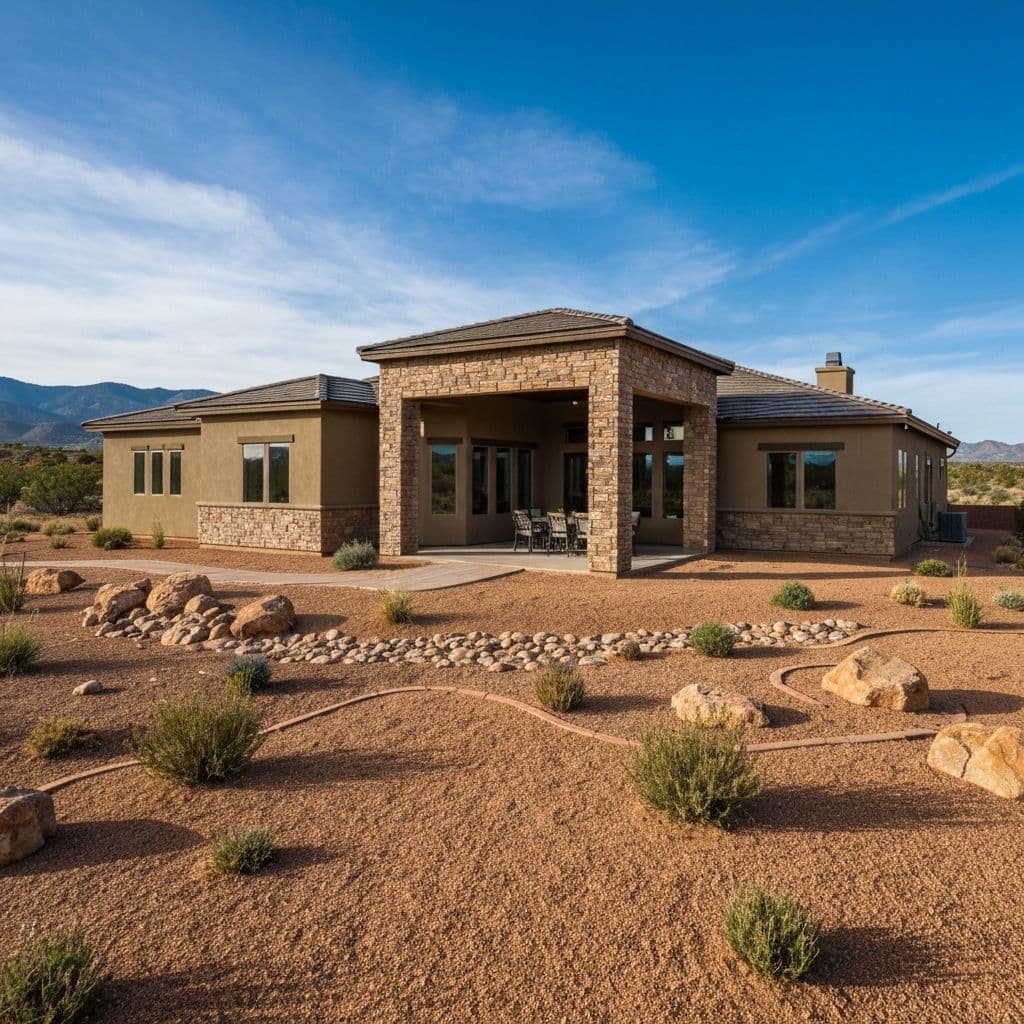
Covered patios are standard on most new construction plans in the Prescott area, and they're usable 10 or more months of the year. That's not an exaggeration. From March through November, your covered patio is essentially an extra room. Some builders offer extended patio options that turn this space into a true outdoor living area with room for dining, seating, and a grill.
Single-Story Living
For buyers concerned about winter conditions, single-story homes eliminate the risk of icy exterior stairs. Most new construction communities in Prescott offer single-story floor plans as the primary option, with single-level living designed for both convenience and aging in place. Three-car garages, standard in most communities, mean you're never scraping frost off your windshield.
Garage Space
Speaking of garages: they matter more than you'd think. A three-car garage, which is standard in most Capstone and ECCO communities, gives you covered parking plus workshop or storage space. On the rare 25-degree morning, you walk from a warm house into a sheltered garage. It's a small thing that adds up to daily comfort.
The Bottom Line
Prescott's climate is consistently the number one reason people relocate here, ahead of cost of living, community feel, and outdoor recreation. The combination of 277 sunny days, four genuine seasons, summer highs under 90 degrees, and light winter snow that melts in a day creates a quality of daily life that's hard to match anywhere in the West.
New construction homes in the Prescott area are designed specifically for this climate: energy-efficient systems that handle both mild winters and warm summers, outdoor living spaces built to be used almost year-round, and floor plans that make sense for the way people actually live here.
If you're considering a move to Prescott and the weather is a factor in your decision (it should be), reach out. I can help you find a community and a home that's built to take full advantage of every season.